The main thing when doing a complete renovation in your house or new construction is the choice of materials for the different spaces it will have. Surely one of the first doubts that arise when you get into it is what I usually put at home. A darker one? Better that it be suffered? brighter?, etc. The floor is one of the first elements to be laid in the renovation of a home, and it is one of the most important since once laid, it cannot be changed as you change a piece of furniture, so you must choose your floor well. This part of the renovation is also very important, since not only does it have to look good visually, but it depends on the finish of the floor you give to your home, it will have a different touch and give you different sensations when you step on it. In this post we want to help you with the types of flooring for houses and guide you a little more so that you can choose the material that best suits you and your needs. There are many materials with which to cover your floor, but today we will focus on the most commonly used ones and explain their main characteristics. The soils that we will explain are:
- Parquet and natural wood
- Laminate flooring
- Stoneware and porcelain floors
- Microcement
- Tiles
Parquet and natural wood
There is a lot of confusion with this type of soil. It is often difficult to differentiate between parquet, laminate flooring, solid flooring, etc. But we’re here to make it clear to you once and for all. The parquet is made up of a layer on the top of at least 2.5mm. This layer can be solid, it can be made of a single layer or more. The parquet that is made up of several layers. On the top it is composed of several passes of varnish, the layer of wood, a layer to give the floor stability and the base, made of veneer.
The difference between a multi-layer parquet floor and a solid wood floor is that solid wood can be sanded a greater number of times than multi-layer parquet.
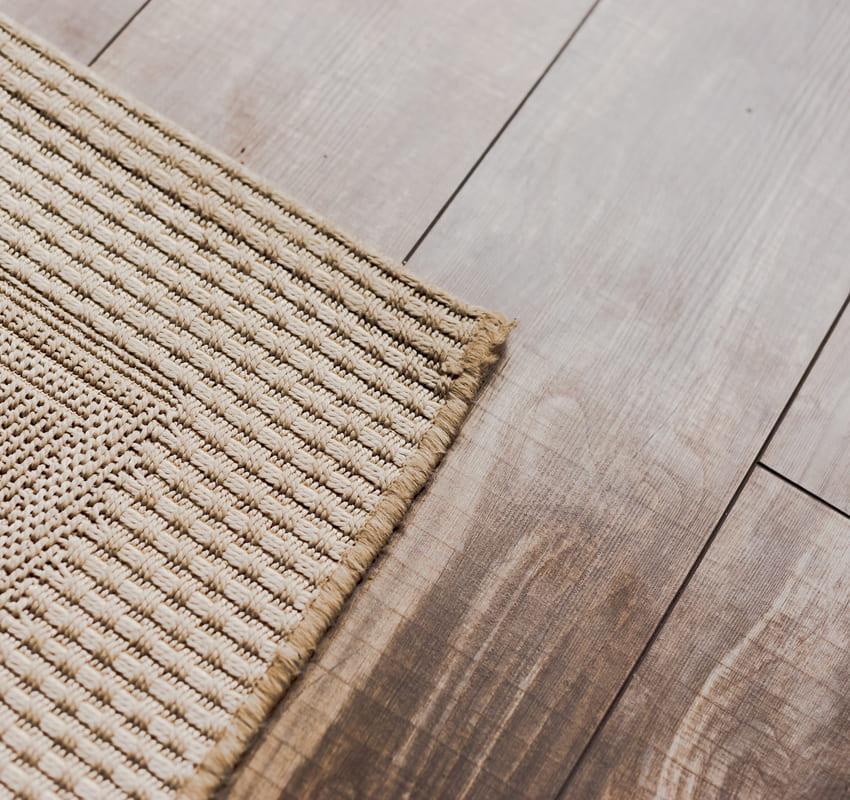
On the other hand, there is the way of placement, which can be floating or glued. Glued parquet is glued directly to the floor and when stepped on it does not create any hollow noise, while floating parquet is placed on the floor, but without sticking it, and it does produce that hollow sound. These types of flooring are very easy to place on top of previous floors, they can also last for many years with little maintenance, but on a daily basis and usually give a feeling of warmth when walking barefoot.
Laminate flooring
This type of flooring, as its name suggests, is made up of different sheets of various materials. A first layer formed by several sheets of pressed melanin, to give it resistance to wear and tear and finished with relief to give it a more real wood feel. Then they have a print of a real wood photo, a layer of fibers that gives it stability and resistance to humidity and finally another layer of reinforcement also resistant to humidity. One of the advantages it has over parquet is that this floor is cheaper and its finishes are also of high quality , which makes it difficult to tell by eye whether it is a laminate or natural wood floor.
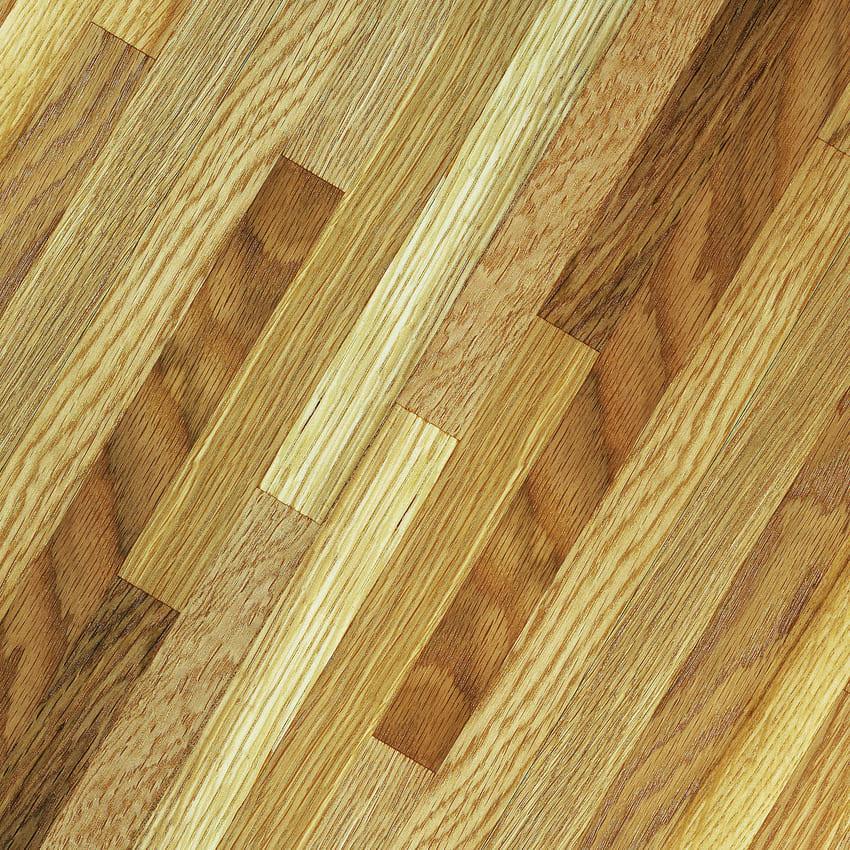
Its assembly is usually floated, it is the most common shape. Another advantage of these floors is that they do not change their tone in sunlight, which is what happens to parquet. A disadvantage that we could name of this material for your home is that it does not absorb sound, so walking on it can create a hollow sound.
Stoneware and porcelain floors
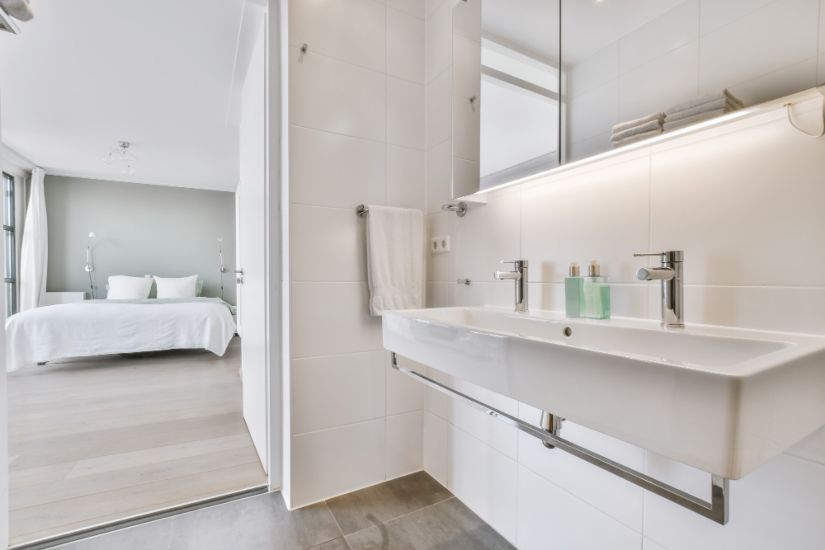
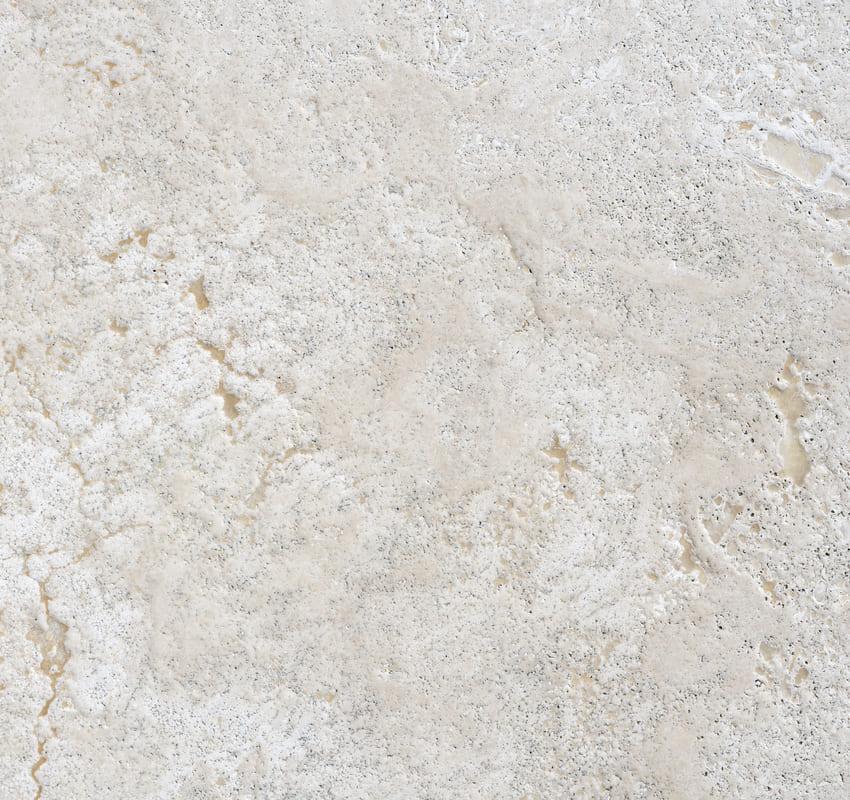
This floor for homes is one of the most used today, as it has a great capacity to resist continuous washing and the transit of people. It is also resistant to high temperatures. In order to use stoneware or porcelain correctly, you must know in which space it will be placed, as there are different finishes and textures. One of its disadvantages is that changing this soil takes a lot of work. The areas where this type of flooring is most used are the bathroom, kitchen and terraces. There are many types of finishes for these floors, even with imitations of wood or stone, just as large slabs can be created, which other floors cannot as they have defined dimensions.
Microcement
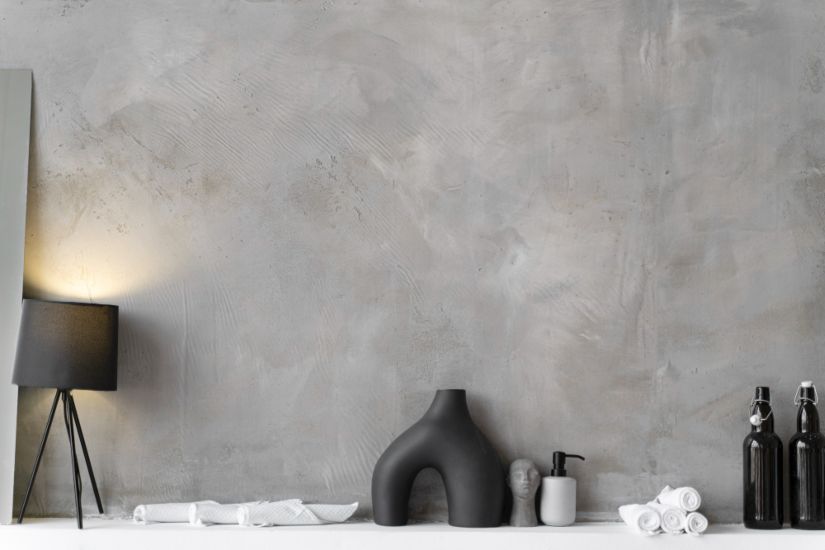
This material we can consider to be the most peculiar of all those we are explaining today. One of the best advantages of this material is its application on existing floors. This way you can save the expense of removing the previous floor. It can be placed on any floor except parquet and flooring. There are many varieties of textures, as well as colors. It is also non-slip and waterproof, although if you would like to put this flooring in a shower, we advise you to put lime mortar, which looks very similar and works best for showers. We advise you to install it in the kitchen or bathroom.
Tiles
It could be said that the tile is the floor that resists the least of all the previous ones explained. What gives it a special touch is the glazed finish it has. Years ago it was used for practically all areas of the house, but today it is reserved for specific places, as they are very fragile.
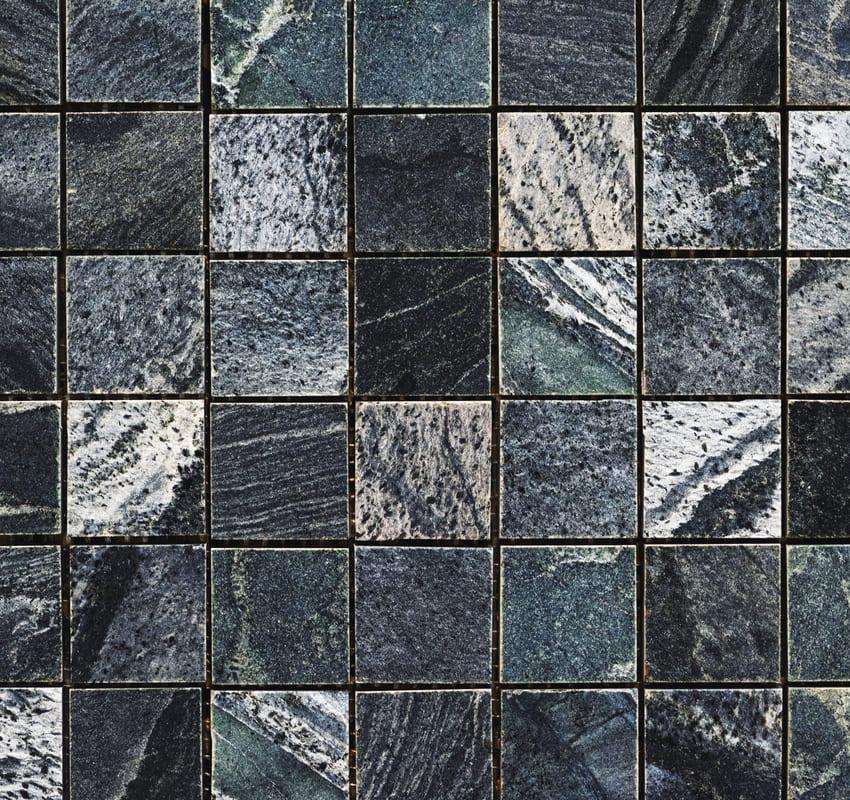
The installation is very simple, its price is the cheapest compared to the previous types of floors, they are waterproof and have a variety of colors and very large patterns. Some disadvantage is that it is a very cold soil and prone to cracks.
We hope that with the explanation of the most common floors that we have provided you have decided on one of these types of flooring for houses and have more knowledge about them. If you are planning a comprehensive renovation of your home and you have any questions about what I usually choose for your home, do not hesitate to contact us without any obligation.