Dry construction has become a revolutionary technique in the world of construction sites, offering multiple advantages over traditional methods. With the promise of greater speed, cleanliness and efficiency, this technique has generated a profound impact on the sector.
What is dry construction?
Dry construction, unlike traditional construction, does not use water in its processes. It is a technique that is based on the use of prefabricated materials and assembly systems, eliminating the need to wait for drying times, as is the case with cement or mortar.
Why is dry construction revolutionary?
1. Less Time: The main attraction of dry construction is its speed. Unlike traditional techniques, where it is necessary to wait for materials such as cement to dry, this method advances without these pauses, speeding up the entire construction process. 2. Cleaning: Forget about mountains of debris and clouds of dust. Working with prefabricated elements, dry construction minimizes waste on site, making the construction site cleaner and more orderly. 3. Sustainability: This method is environmentally friendly. It produces less waste and uses materials efficiently, many of which are recyclable or sustainably sourced. 4. Adaptability: Flexibility is key in the modern era. Structures made with dry construction can be easily adapted and remodeled, which means they can evolve according to the changing needs of the user.
The transformation of the sector
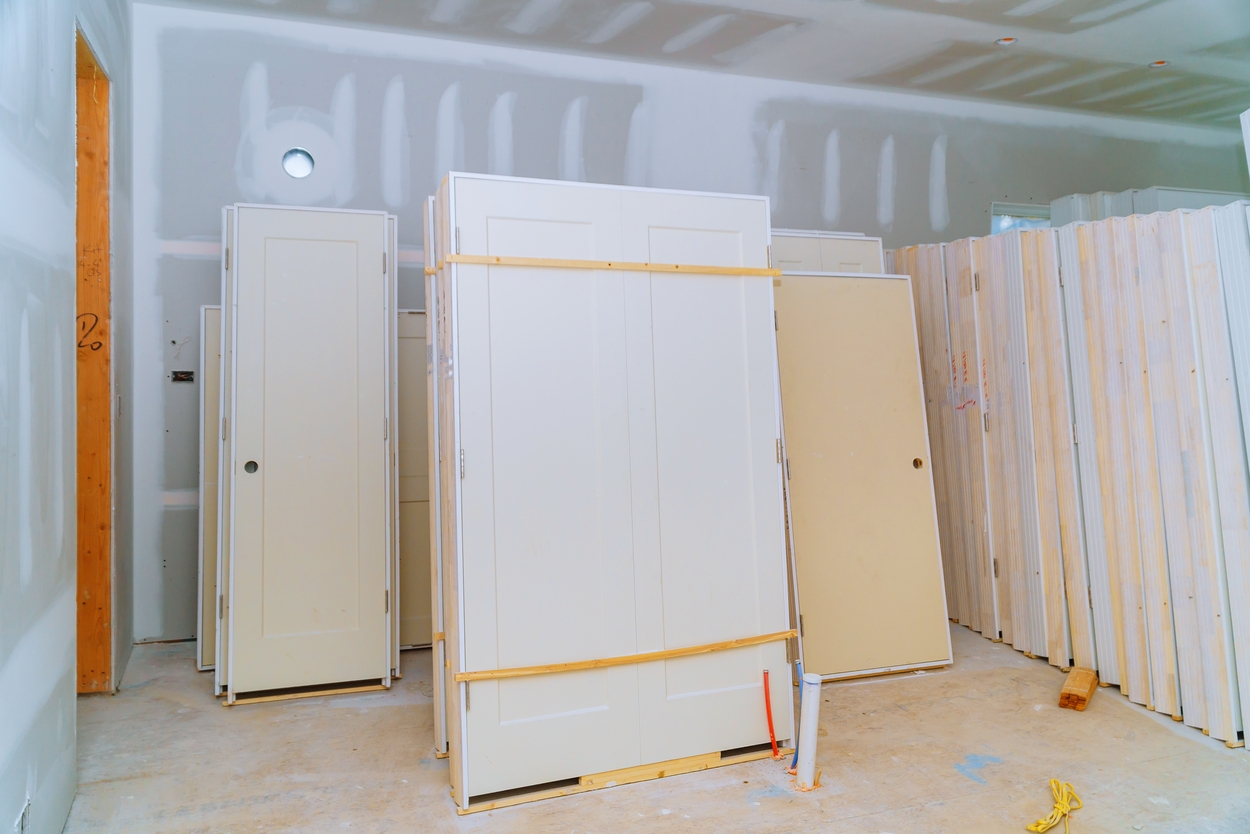
The history of construction has long been dominated by techniques that involve long construction periods and a lot of dirt. With the advent of dry construction, there has been a paradigm shift. Not only because of the speed, but also because of the precision provided by prefabricated materials and techniques.
Common Materials in Dry Construction
The essence of dry construction lies in the innovative materials that allow agility and efficiency on site:
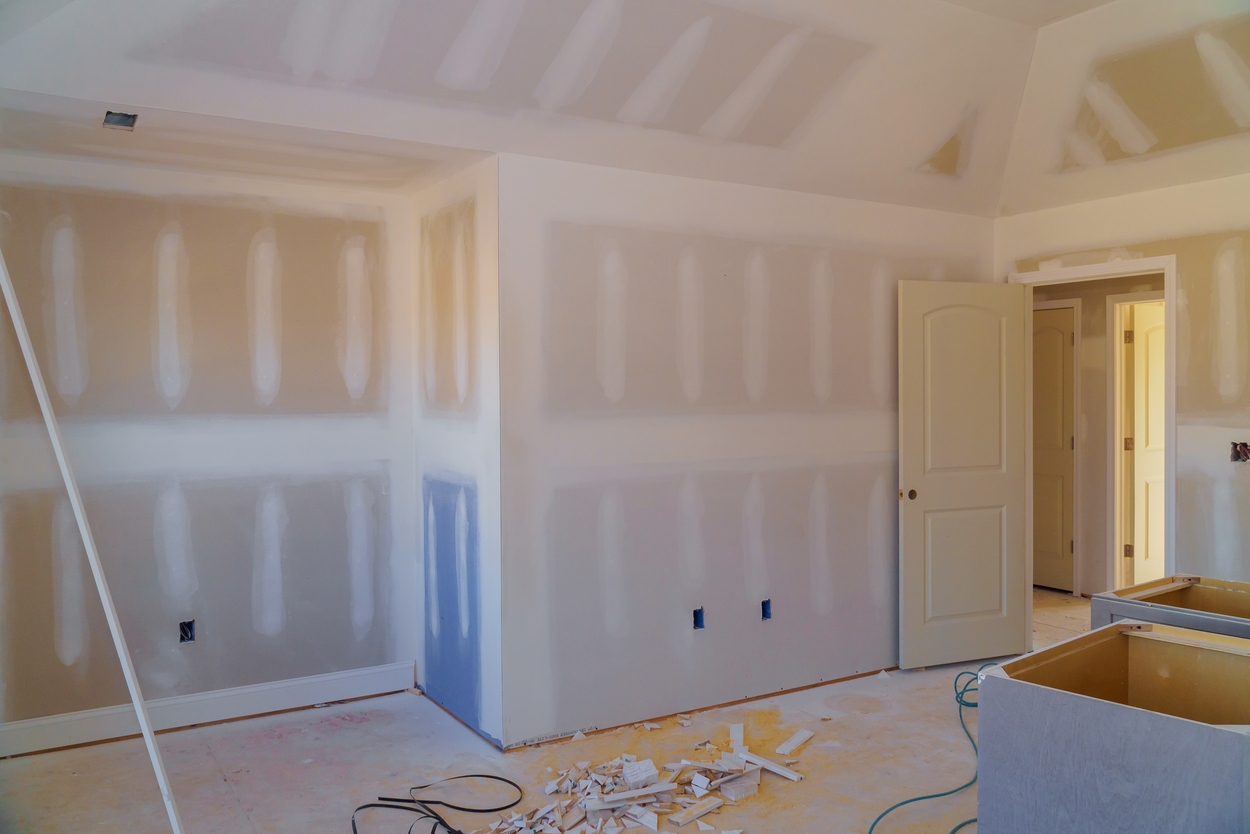
- Drywall: These are one of the pillars of dry construction. They are composed of a plasterboard laminated between two layers of paper. They are largely used to cover interior walls and ceilings, offering a smooth surface ready for painting or wallpapering.
- OSB (Oriented Strand Boards): These plates are the result of pressing and gluing oriented layers of wood chips. They are extremely robust and versatile, making them ideal for structures, cladding, and also flooring.
- Modular systems: These are prefabricated structures designed to be assembled quickly on the construction site. Since most of the construction is done off-site, greater accuracy and less waste are guaranteed.
Practical applications of dry construction
Theory is only one part; The real revolution of dry construction is seen in its real-world application:
- Quick reforms: Dry construction is the perfect solution when time is of the essence. For example, for office renovations or business adaptations where closing for days means significant losses.
- Modular housing: These houses are built in the factory and then assembled at the location chosen by the owner. Not only do they save costs and time, but they also offer high construction quality.
- Space extensions: If you’ve ever thought about adding an extra room or expanding your living room, dry construction makes it possible without major demolitions or the chaos typical of a traditional construction site.
Challenges and considerations
While this method has many advantages, it also presents some challenges:
- Need for specialization: Not all builders are familiar with these techniques, which can influence the quality of the final result.
- Initial cost: Sometimes, prefabricated materials can have a higher initial cost, although in the long term they can represent savings.
Dry construction in the current context
With the growing demand for sustainable, fast and efficient constructions, dry construction is presented as the ideal solution. This technique, by aligning with sustainability and energy efficiency trends, is positioned as a prominent choice for the future of construction. Not only is this an alternative to traditional methods, but it is redefining the current construction landscape. With its speed, efficiency and sustainable approach, this technique promises to remain relevant in the world of comprehensive renovations and construction in general.
At Kaleidoscope, we are much more than just builders; We are experts in comprehensive renovations with an unwavering passion for excellence and innovation. Our team is trained to guide you through every step of your project, from conception to completion. Whether you are thinking of a modern construction with this technique or any other renovation, trust us to transform your visions into reality. Let us be part of your next dream and guarantee you a result that will exceed your expectations! You can also try to value your project in our free quote tool through the following link: